
No homeowner looks forward to finding water leaking into your home. If you see a water stain on the ceiling, damp walls, or water dripping into your home during a storm, you need to pay attention to a roof leak immediately.
The problem is that by the time you notice water in your home, the moisture may have already damaged your roof decking, insulation, attic, or ceilings. Even a little leak can cause wood rot, mold growth, and costly structural repairs if you don’t deal with it.
The good news is that if you act quickly, you may reduce the damage. Knowing when your roof is leaking and when to call a professional roofer can save you time, money, and frustration.
What to Do If You Discover a Roof Leak
If you see water coming into your home, your first concern is to protect your property and to prevent further damage.
You can take a few immediate steps:
- Contain the water. Place buckets or containers under the leak to catch dripping water. Use towels to soak up moisture and protect your flooring.
- Move valuables out of the way. Get furniture, electronics, and other belongings out of the way of the affected area.
- Take care to avoid electrical hazards. If water is near outlets, light fixtures, or electrical wiring, stay away from the area and call a qualified professional.
- Document the damage. Take photographs of water stains, ceiling damage, and affected items. If you need to make an insurance claim, this documentation can be useful.
- Call a roofing contractor. Have a professional inspect your roof to find where the water is entering and what repairs you need.
If your ceiling is sagging or bulging from trapped water, stay out of the affected area. A ceiling saturated with water can collapse at any time.
Never try to find a leak yourself by climbing onto a wet, icy, or storm-damaged roof. Leave roof inspections and emergency repairs to experienced professionals.
Common Causes of Roof Leaks
There are many reasons a roof can leak, and it is not always easy to pinpoint the source. Knowing the causes of roof leaks helps you find potential problems before they become bigger ones.
Damaged or Missing Shingles
Heavy rain, snow and ice, and high winds can loosen or damage asphalt shingles. Cracked, curled, or blown-off shingles expose the roofing material underneath to water damage.
Damaged Roof Flashing
Flashing is placed around skylights, chimneys, vents, and other openings in the roof to direct water away from vulnerable areas. If your flashing is loose, corroded, or not sealed properly, water can get into your home.
Ice Dams
In New England, ice dams are a common cause of winter roof leaks. Heat that escapes from the attic can melt snow on the roof, which can then refreeze near the eaves. Ice build up can prevent melting snow from draining properly, allowing water to pool under shingles.
Clogged Gutters
Clogged gutters filled with leaves, twigs, and other debris can prevent rainwater and melting snow from draining off your roof. If water overflows, it can damage fascia boards and create moisture problems at the edge of the roof.
Aging Roofing Materials
Over time, your roof ages, and the shingles and other roof elements start to deteriorate. Cracked shingles, worn seals, or deteriorating flashing can allow water to find its way in.
5 Tips for Handling a Roof Leak
After you’ve done all you can to protect your home, find the leak’s source and get it repaired.
1. Move Quickly, Particularly After Storm Damage
If your roof starts leaking after a severe storm, don’t wait to see if the problem will go away. Wind-driven rain can seep in through damaged shingles, loose flashing, or gaps made by fallen branches.
Contact a qualified roofing contractor as soon as possible. Depending on the amount of damage and the weather, the roofer may recommend putting up temporary protection until you can make permanent repairs.
If the leak is the result of storm damage, contact your homeowners insurance company to learn about coverage and the claims process. A roofing contractor can document the damage to the roof and provide you with an estimate of repairs to support your claim.
2. Look for Signs of Where the Leak Is Coming From
Often the source of a roof leak is hard to find because the water doesn’t always come in right above where you see the damage.
Water can flow over roof decking, rafters, and other structural members before dripping down onto your ceiling. This means a water stain in one room may have originated from a damaged section of roof several feet away.
Here’s how you can help your roofer by noting:
- Where you find water stains or damp spots
- Whether the leak occurs during heavy rain, wind-driven storms, or melting snow
- When you first noticed the problem
- Whether you’ve seen missing shingles or other visible roof damage from the ground
Do not enter an attic with unsafe footing, exposed electrical hazards, or significant water damage. A professional roofer can safely inspect the roof and find out what is actually causing the leak.
3. Hire a Reputable Roofing Contractor
Finding a qualified roofing contractor is one of the most important steps in properly fixing a leaking roof.
Look for a roofing company that specializes in roof leaks and water damage.
Here are some things to consider before hiring a contractor:
- License and insurance. Verify that the contractor is properly licensed and has liability and workers compensation insurance coverage.
- Local experience. Select a roofer that is familiar with the weather and roofing problems that are common in your area.
- Customer reviews. Look for reviews on Google and other trusted sources from homeowners about the company’s workmanship and reliability.
- References. Ask past customers for references and recommendations for similar roof repairs.
- Written estimates. Make sure the contractor clearly explains the problem, the repairs he recommends, and the costs you can expect.
A reputable roofing contractor will be more than happy to answer questions and explain why certain repairs are necessary.
4. Get a Professional Roof Inspection and Repair Estimate
A quality roof repair begins with identifying the actual cause of the leak.
Since water can travel before becoming visible inside your home, simply replacing a few shingles above a ceiling stain may not solve the problem.
A skilled roofer will examine the damaged area and the condition of the surrounding roofing materials to determine how widespread the damage is.
Depending on the problem, repairs may involve:
- Replacing missing or damaged shingles
- Repairing or replacing roof flashing
- Replacing damaged roof decking or underlayment
- Fixing failed seals around vents or skylights
- Fixing drainage problems that lead to water infiltration
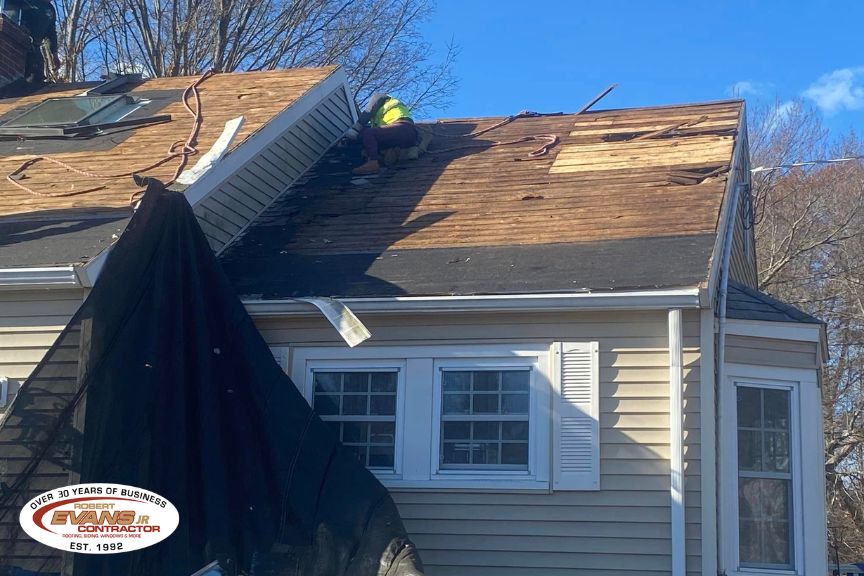
In some situations, the contractor may recommend removing shingles from a larger section of the roof to properly repair the underlying damage and integrate the new materials with the existing roofing system.
Don’t go for the quick fix because it’s cheaper. A repair that doesn’t address the source of the leak can allow water damage to continue and result in more costly repairs down the road.
Before work begins, ask for a written estimate outlining the scope of repairs, materials, and costs. If you find hidden damage during the repair, ask the contractor to explain any additional work before proceeding.
5. Schedule Regular Roof Inspections to Prevent Future Leaks
After you repair your leaking roof, regular maintenance can help prevent future problems.
A professional roof inspection can catch small problems before they turn into big leaks. When your roofer comes out for an inspection, he’ll be on the lookout for damaged shingles, deteriorating flashing, loose roofing materials, and other potential trouble spots.
If you own a home in New England, it’s especially good to have your roof inspected before winter. Heavy snow, ice dams, freezing temperatures, and freeze-thaw cycles can expose existing roofing weaknesses.
You might want to have your roof inspected once a year and after any major storms that were strong enough to damage your roofing materials.
Can a Leaking Roof Be Repaired, or Does It Need Replacement?
Not every roof leak requires a new roof.
If your roof is fairly new and only has a small damaged area, you may only need a professional roof repair. A specific installation problem, flashing, or damaged shingles can often be repaired to restore the roof’s ability to protect your home.
But if your roof is nearing the end of its expected life, is badly deteriorated, or has had repeated leaks, a roof replacement might be the better long-term investment.
A qualified roofing contractor can assess the state of your roof and help you decide if repair or replacement is the most reasonable option.
Don’t Wait to Repair a Leaking Roof
If you ignore a small roof leak, it can quickly become a much bigger problem. Water damage can extend past the original leak and impact insulation, ceilings, walls, and structural components.
Addressing a problem as soon as you see it can help protect your home and save you money on repairs.
The best way is to cultivate a relationship with a reputable local roofing contractor who will be able to perform repairs, conduct routine inspections, and help you keep up with your roof maintenance year-round.
If you notice water stains, missing shingles, or other signs of a leaking roof, call a professional to inspect your roof. Addressing the problem early is the best way to prevent further damage and keep your home protected.


