
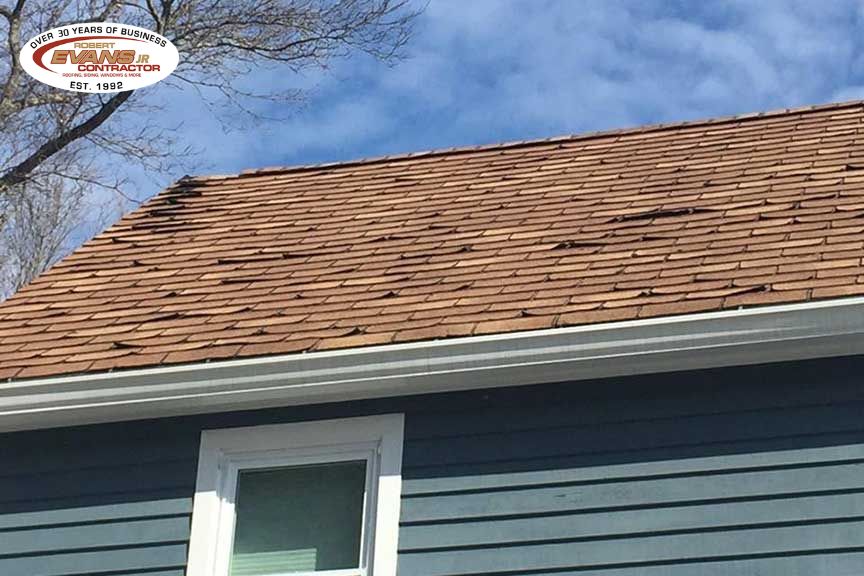
Your roof protects your home from rain, snow, wind, and all the other challenges New England weather can bring. But because your roof is mostly out of sight, it’s easy to forget about it until you notice a leak or other obvious problem.
By then, a small issue may have turned into a more expensive repair.
An annual roof inspection can help you catch problems early, extend the life of your roof, and reduce the risk of unexpected damage. In New England, it’s especially helpful to check your roof before winter and again after a season of heavy snow, ice, and freezing temperatures.
You don’t necessarily need to climb onto your roof to spot trouble. In fact, you can spot many warning signs from inside your home or while standing safely on the ground.
Here’s what to look for when checking your roof from the inside and outside.
Start Your Roof Inspection Inside Your Home
Some of the earliest signs of roof damage appear inside your home, particularly in the attic. Before looking at the exterior, check these areas for evidence that water or moisture may be getting through your roofing system.
Check for Water Stains and Leaks
Look for water stains or discoloration on ceilings and walls, especially on the upper floors of your home. Even a small stain can indicate that water is getting in somewhere.
Check the attic for damp insulation, wet wood, or signs of previous water intrusion. Keep in mind that the location of a ceiling stain isn’t always directly below the source of the leak because water can travel along rafters and other structural components.
Look for Mold, Mildew, or Excess Moisture
Mold or mildew in the attic may indicate a roof leak, but it can also point to inadequate ventilation. Either way, excessive moisture should be investigated.
Good attic ventilation helps control moisture and temperature and can play an important role in protecting your roofing system.
Check for Daylight
On a sunny day, enter the attic and turn off the lights. Look carefully at the underside of the roof. If you can see daylight coming through areas where it shouldn’t, there may be gaps or openings that need professional attention.
Inspect the Exterior of Your Roof
You can identify many exterior roofing problems without getting onto the roof. Use binoculars or stand far enough away from your home to get a clear view of the roof surface.
Avoid walking on your roof unless you have the proper training and safety equipment. A professional roofer can safely perform a more thorough inspection when necessary.
Look for Missing or Damaged Shingles
Asphalt shingles should generally lie flat against the roof. Look for shingles that are:
- Missing
- Cracked or broken
- Curling or buckling
- Loose or out of position
- Losing a significant amount of their surface granules
Pay particular attention after high winds, hail, or severe storms. You should also watch for areas of moss, algae, or deterioration that could indicate excess moisture.
A few damaged shingles can often be repaired. Widespread shingle problems, however, may indicate that the roof is approaching the end of its useful life.
Inspect Flashing and Roof Penetrations
Flashing helps keep water out around chimneys, skylights, vents, pipes, and other openings in your roof.
From a safe location, look for flashing that appears loose, damaged, corroded, or out of place. These areas often cause roof leaks, so you should get these problems fixed before water can enter your home.
Take a Good Look at Your Roofline
Your roofline should look relatively straight. If you notice a dip or sag, that’s a sign something is wrong with the roof decking or supporting structure.
Don’t delay if you see that your roof is sagging. Get a roofer to take a look at it as soon as you can.
Look Closely at Your Gutters and Downspouts
Your gutters and downspouts are integral to your home’s roofing and drainage system. If they get clogged up, water can start backing up along the roofline instead of running off safely away from your place.
Clean debris from your gutters and make sure downspouts are directing water away from the foundation.
While cleaning the gutters, look to see if there are excessive amounts of shingle granules. Asphalt shingles naturally lose some granules over time, but a big pile may be a sign that the shingles are starting to go downhill.
Can Your Roof Be Repaired or Does It Need to Be Replaced?
Finding roof damage doesn’t automatically mean you need a new roof. Many problems can be repaired, especially if you catch them early and the rest of the roof is in good condition.
Roof Problems That Can Often Be Repaired
Localized problems are usually the best candidates for roof repair. These may include a few missing or damaged shingles, a small leak with an identifiable source, loose or damaged flashing, or minor storm damage.
Gutter problems can also often be corrected before they cause damage to the roofing system. Small areas of moisture or mold may be treatable as well, provided the source of the moisture is identified and corrected.
The age and overall condition of your roof will help determine whether repairing these problems makes sense.
Signs You May Need a Roof Replacement
When problems are widespread, continually repairing individual areas may no longer be the best investment.
You may want to consider roof replacement if you notice extensive curling, cracking, or missing shingles across multiple areas of the roof. Other warning signs include recurring leaks, widespread water damage, deteriorated roof decking, or a sagging roofline.
Age is another important consideration. Asphalt roofing systems can last for decades, but lifespan varies depending on the type of shingles, installation quality, ventilation, maintenance, and exposure to weather.
If your roof is older and experiencing several problems at the same time, replacing it may make more sense than continuing to pay for repairs.
Why an Annual Roof Inspection Matters in New England
Roofs in New England have to deal with a crazy mix of weather conditions all year round. They face everything from heavy snow and ice to strong winds, rain, and those bizarre freeze-thaw cycles that can tear a roof apart.
Winter can be especially tough on a roof. When the snow piles up and ice dams form in the roof valleys, weaknesses can start to show that you wouldn’t see during the warmer months.
Spring and summer storms can seriously damage a roof with strong winds and heavy rain. It’s no wonder that an annual inspection is the best thing you can do for your roof.
It gives you a chance to track down problems before the next harsh season arrives. It also helps you budget for potential repairs or even a full roof replacement before an emergency arises.
When Should You Call a Professional Roofer?
A homeowner can spot many obvious warning signs, but a professional roof inspection goes beyond what you can see from the ground.
An experienced roofer can take a look at the condition of the shingles, flashing, ventilation, roof penetrations, and other components of the roofing system and give you a proper assessment of what’s going on. They can also determine whether the damage is isolated or part of a larger problem.
If you spot a leak, missing shingles, sagging, significant granule loss, or other signs of damage, don’t wait for things to get worse.
Or if you are simply unsure about the condition of your roof, getting a professional annual inspection can give you a clearer picture of what needs attention now and what probably can wait.
Robert Evans Roofing provides professional roof inspections and estimates to help you understand the condition of your roof and your best option to take care of the problem. Contact us to schedule a free roof inspection and estimate.


