
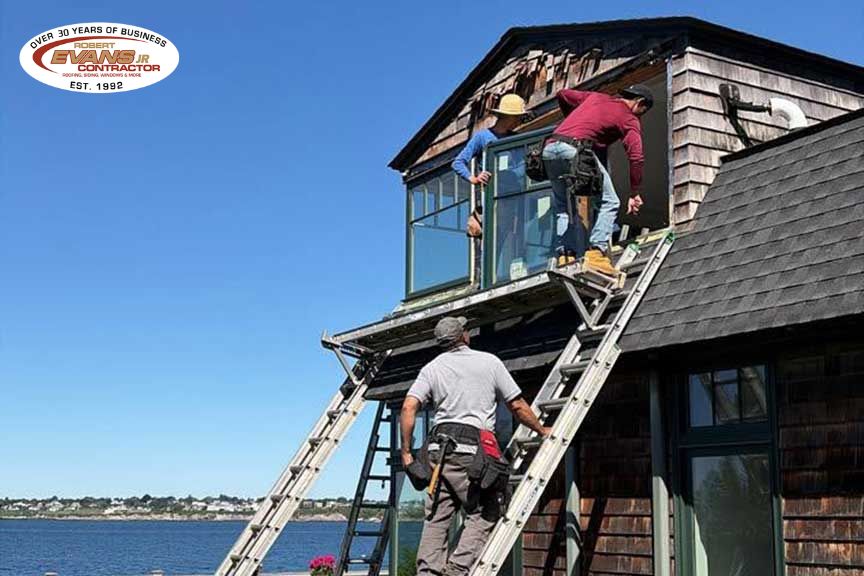
Are some rooms in your home difficult to keep warm in the winter or cool in the summer? Have your energy bills increased even though your heating and cooling habits haven’t changed? Your windows could be part of the problem.
Windows play an important role in your home’s comfort, energy efficiency, security, and appearance. But like most parts of your home, they don’t last forever. Over time, seals fail, frames deteriorate, and windows become harder to operate.
Knowing when to replace windows can help you address these problems before they lead to higher energy costs, water damage, or other expensive repairs. Here are some of the most common signs that it may be time for an upgrade.
Benefits of Replacing Your Windows
Replacing older windows can improve much more than the appearance of your home. New windows can provide several important benefits.
Better energy efficiency. Modern windows are designed to reduce heat transfer and prevent drafts. Better insulation helps keep warm air inside during the winter and hot air outside during the summer, reducing the workload on your heating and cooling system.
A quieter home. If you live near a busy road or in a noisy neighborhood, replacement windows can help reduce the amount of outside noise entering your home. Double- and triple-pane windows generally provide better sound insulation than older single-pane windows.
Improved curb appeal and home value. New windows can give the exterior of your home a cleaner, updated appearance. They can also make your home more appealing to potential buyers if you decide to sell.
More natural light. Replacing windows also gives you an opportunity to rethink their size and style. Larger windows or a different configuration can bring more natural light into your living spaces.
With these benefits in mind, replacing aging windows can be a worthwhile investment in both the comfort and long-term value of your home.
When Should You Replace Your Windows?
Not every window problem requires that you replace it. Sometimes new weather stripping, hardware, or a minor repair is enough. But certain problems indicate that repairing an old window may only be a temporary solution.
Your Windows Are Damaged, Warped, or Broken
Visible damage is one of the clearest signs that your windows need attention. Cracked glass, rotting frames, and warped materials can affect how well your windows protect your home.
Cracks should be addressed quickly. A damaged window can allow moisture and pests into your home and may also create a security concern. Depending on the extent of the damage, replacement may make more sense than trying to repair an aging window.
Wood window frames can also deteriorate from prolonged exposure to moisture. Once rot becomes extensive, repairs become more difficult and may not solve the underlying problem.
Warped frames can cause similar issues. If the window no longer fits properly within the frame, it may become difficult to open, close, or lock. In these cases, replacing the window can restore proper operation while helping protect your home from drafts and moisture.
You Feel Drafts or Notice Higher Energy Bills
A drafty window isn’t just uncomfortable. It can make your heating and cooling system work harder to maintain a consistent indoor temperature.
During the winter, warm indoor air can escape through gaps around poorly sealed windows while cold air enters your home. During the summer, cooled air can escape while hot, humid air finds its way inside.
You may notice the problem when standing near a window, especially on a cold or windy day. Certain rooms may also feel noticeably warmer or colder than the rest of your home.
Drafts can be caused by worn weather stripping, failed seals, or deteriorating frames or windows that no longer close tightly. Minor sealing problems may be repairable, but persistent drafts from older windows may indicate that replacement is the better long-term solution.
You See Condensation Between the Window Panes
Some condensation on the interior surface of a window can simply indicate high indoor humidity. But moisture between the panes of a double- or triple-pane window is a different issue.
Fogging or condensation between panes usually means the window’s seal has failed. Once that happens, the insulating gas between the panes can escape, and the window can no longer perform as designed.
You may also notice a hazy or cloudy appearance that doesn’t go away when you clean the glass.
A failed seal reduces the window’s insulating ability. Depending on the window, the glass unit may sometimes be replaceable, but older windows with multiple problems may be better candidates for complete replacement.
You Want to Improve Your Home’s Value and Curb Appeal
You don’t necessarily have to wait until your windows are falling apart to replace them.
Old windows can make an otherwise well-maintained home look dated. New windows can improve your home’s exterior appearance while also providing practical improvements that potential buyers appreciate, including better energy efficiency and easier operation.
If you’re planning to sell your home, relatively new windows can also remove one potential concern for buyers. A home inspection may identify aging, damaged, or poorly functioning windows, which could become a point of negotiation.
According to Remodeling Magazine’s 2025 Cost vs. Value report, installing new windows can result in the following increases in the home value:
- Wood – $18,987 increase in resale value ($22,226 job cost / 69.7% recouped)
- Vinyl – $16,314 increase in resale value ($21,922 job cost / 71.2% recouped)
Even if you’re planning to stay in your home for many years, replacing older windows allows you to enjoy the benefits yourself while improving the overall condition of your property.
You Want to Reduce Outside Noise
Do you hear traffic, lawn equipment, barking dogs, or other neighborhood noise even when your windows are closed?
Older single-pane windows and ones with seals that are on their last legs are probably not going to do much to keep the outside noise at bay. However, modern double- and triple-pane windows offer much better soundproofing, especially when coupled with decent frames and a proper installation.
Replacing your windows won’t make your home completely silent, but it sure can make a noticeable difference in the noise level, helping to create a quieter, more comfortable space in your own home.
Your Windows Are Difficult to Open or Close
Windows should open and close easily, let in fresh air when you need it, and lock securely when you want to feel safe at night. If they’re sticking, jamming, or refusing to stay open, then something’s not quite right.
There’s usually a reason for this. The frames may have warped, the hardware may be worn, layers of paint may interfere with operation, or changes in the home’s structure may have affected the window opening.
Having trouble opening a window can also become a safety issue. In certain rooms, windows serve as an emergency exit, so they need to be in working order when you need them to be.
If you have a lot of older windows that are frustrating to operate, it may be more practical to replace them than to keep trying to fix them one by one.
Repair or Replace? Consider the Overall Condition
One problem doesn’t automatically mean you need new windows throughout your home. The decision usually depends on the age of the windows, the extent of the damage, and how many problems you have.
A newer window with damaged hardware or weather stripping may be worth repairing. But if your windows are older and you’re dealing with drafts, failed seals, rotting frames, and poor operation, continually repairing them may not be the best use of your money.
A professional window contractor can evaluate the condition of your existing windows and help you determine whether repair or replacement makes the most sense.
Is It Time to Replace Your Windows?
Your windows are an important part of your home’s comfort, efficiency, and protection. Drafts, condensation between panes, damaged frames, and windows that won’t operate properly are all signs you shouldn’t ignore.
Replacing old or failing windows can make your home more comfortable, improve energy efficiency, reduce outside noise, and refresh its appearance.
If you’re noticing several of these warning signs, contact an experienced contractor to inspect your windows and discuss your options. Taking care of failing windows now can help prevent bigger problems while making your home more comfortable for years to come.


