
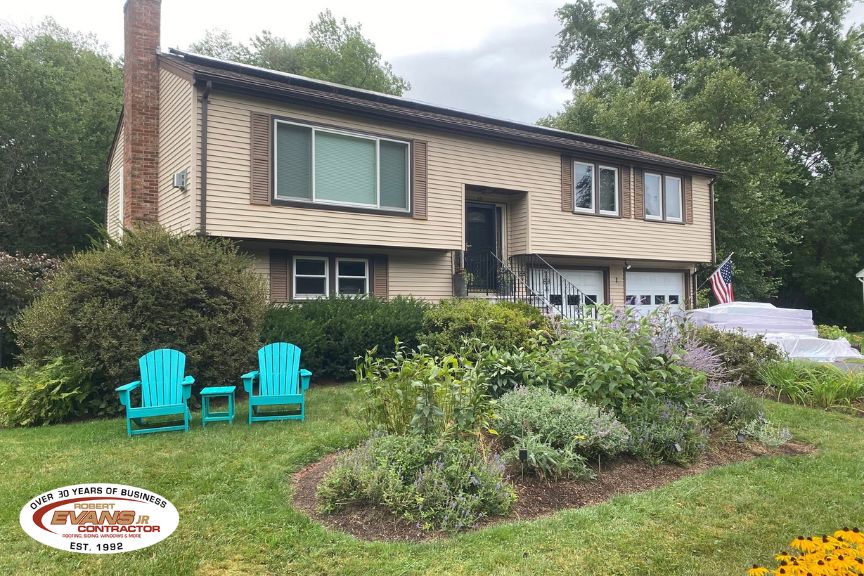
Replacing your home’s siding is a big decision to make. If you put a bit of thought into it, it can really make a big difference in how your house looks and feels. It can give your home a fresh appearance, protect it from the weather, and reduce the money you spend on repairs in the future. But with so many different materials to choose from, it can be a real hassle to figure out which one is right for your home.
Vinyl and fiber cement are the two most popular options in New England for houses, and they both have their strengths and weaknesses. On the one hand, they’re both durable, look great, and can handle whatever the outside throws at them. But when it comes to things like cost, maintenance, and installation, they are total opposites.
Vinyl siding is one of the cheapest options available. Whether you compare it to other man-made or natural materials, it’s one of the most affordable options. And the best part is that it requires almost no upkeep to keep it looking great. But then there’s fiber cement, which is a little pricier but still pretty reasonable. It offers some benefits, including the fact that it looks just like natural wood and is also super durable and fire-resistant.
Let’s see how vinyl siding compares to fiber cement and which one is the better choice for your home.
What Is Vinyl Siding?
Vinyl siding is made from polyvinyl chloride (PVC), a durable plastic that serves to protect your home’s exterior from the elements. It’s one of the most popular siding materials because it’s an affordable option, it comes in a variety of styles to suit most homes, and it’s easy to maintain
Vinyl siding comes in all sorts of colors, textures, and styles, such as horizontal or vertical siding panels or wood-grain texture.
If you are looking for normal vinyl siding, no problem. But if you want a bit more from your siding, you can opt for insulated vinyl, which has a layer of rigid foam insulation attached to the back of the panels.
One of vinyl siding’s best features is that you don’t have to paint or stain it, making it ideal for homeowners who want an easy life with their exterior.
What Is Fiber Cement Siding?
Fiber cement siding is a mixture of cement, sand, cellulose fibers, and water. The result is a tough, durable siding material that resembles natural wood.
One of the best-known fiber cement products is James Hardie® siding, often called HardiePlank® or Hardie board. Although James Hardie is a popular manufacturer, fiber cement siding is available from other companies as well.
Fiber cement siding is available in a variety of styles, from classic lap siding to vertical panels and shingles. It is available with factory-applied finishes or can be painted to achieve a custom look.
Its strength, appearance, and resistance to pests and fire make fiber cement an attractive option for homeowners looking for a durable exterior with a more traditional look.
Vinyl Siding vs. Fiber Cement: Key Differences
Both siding materials can protect your home for decades if installed and maintained properly, but there are some important differences that are worth considering.
1. Durability and Weather Resistance
New England weather can be tough on a house’s exterior, so your siding must be up to the task. Your siding must be able to withstand whatever Mother Nature throws its way, including freezing winters, hot summers, heavy downpours, occasional snowstorms, and strong gusts of wind.
Vinyl siding is pretty good at withstanding all the weather that New England has to dish out. It doesn’t rust or rot, and insects tend to leave it alone. But you do need to look for a quality product that is designed to resist the wind and moisture. On the other hand, it’s not foolproof. Extremely cold weather can make it brittle, and the excessive heat can cause it to warp or distort.
Fiber cement siding, on the other hand, is super durable and does pretty well in all sorts of temperatures. It’s also a real pain to insects, woodpeckers, and any other pest that might try to cause some damage. It’s also noncombustible, which is just an added bonus when compared to vinyl.
Fiber cement is not completely damage proof. It can still crack or chip from a hard impact, and moisture can cause all sorts of problems if the siding has been installed or maintained poorly.
So which one is better? Generally speaking, fiber cement has the edge when it comes to impact resistance, fire resistance, and staying stable in changing temperatures. But high-quality vinyl is still a pretty reliable choice for most houses in New England.
2. Cost and Long-Term Value
For many homeowners, cost is one of the biggest considerations when choosing new siding for their place.
For most people, vinyl siding is the more cost-effective option. The material is lightweight, meaning it is fairly easy to work with, and the installation process is not too complicated. This means that labor costs are usually lower. Basic vinyl siding is usually less expensive than the more advanced or insulated vinyl products.
Fiber cement siding, however, is usually the more expensive option. The material itself is heavier, so it is harder to work with, and you need specialized tools if you want to be able to cut it properly and install it without any issues. Depending on the product, painting or finishing may also add to the total cost.
Fiber cement costs more up front but may be worth it for durability and looks over time. Plus, fiber cement siding has a positive return on investment.
Both materials can certainly give your place a bit of a face-lift and may even increase your home’s resale value, but how much bang you get for your buck depends on loads of factors like your local real estate market, the condition of your existing siding, and the quality of the replacement.
So which one is the way to go? Vinyl siding is probably the way to go if you’re working on a budget. But on the flip side, if you think the extra cash is worth it for the good looks, durability, and fire resistance, then fiber cement might be the better investment for you.
For the numbers in New England, visit Remodeling Magazine’s 2025 Cost vs. Value report. The report provides the job cost, resale value, and ROI for both vinyl siding and fiber cement siding.
3. Insulation and Energy Efficiency
While your home’s siding does contribute to its exterior protection, the siding material itself isn’t going to dictate how energy-efficient your house will be.
- Vinyl siding in itself does not provide much insulation. However, insulated vinyl siding has a foam backing that can help thermal performance and reduce heat transfer through the walls.
- Fiber-cement siding has little insulating value on its own. Homeowners who choose fiber cement can improve energy efficiency by installing appropriate exterior insulation as part of the siding replacement project.
Many things affect the performance of the exterior of your home, including wall insulation, air sealing, weather-resistant barriers, and proper installation.
Which is better? Insulated vinyl siding has an advantage when comparing the siding products themselves. However, either material can be part of an energy-efficient exterior when installed with the proper insulation and weather protection.
4. Appearance, Colors, and Design Options
The exterior siding plays a big role in the look of your home’s exterior. Fortunately, both vinyl and fiber cement give you a lot of design possibilities to choose from.
Vinyl siding is available in a variety of colors, textures, and styles, from classic horizontal siding to vertical panels, even shake-style and decorative accents. Some of the newer vinyl products have been designed to look just like real wood. It’s a pretty convincing look.
One of the real advantages of vinyl is that its color is part of the material, so it lasts for years and doesn’t need repainting. However, if you want to refresh or change your vinyl color, you can paint it with acrylic latex exterior paint.
Fiber cement siding is especially popular with homeowners who want the look of painted wood without the same level of maintenance. Its thickness and textured finishes can create a traditional appearance that works with Colonial, Cape Cod, and other New England home styles.
Fiber cement is also more flexible, so you can repaint it if you want to change your home’s color.
Which is best? Each of the materials has its advantages and disadvantages. Vinyl is available in low-maintenance colors and styles, while fiber cement is often chosen for its realistic wood look and traditional finish.
5. Installation Requirements
Whichever siding you choose, it needs to be installed correctly. And despite the similarities between different types, the installation process is actually pretty different.
Vinyl siding is lightweight and relatively easy for an experienced siding contractor to handle. Labor costs are lower since installation is typically faster than fiber cement.
Vinyl must be installed with room to expand and contract with temperature changes. If you tighten it down too much, it can buckle or warp as temperatures change.
Fiber cement siding is much heavier and much harder to cut and work with. It requires specialized tools and careful fastening. Be sure you leave the proper clearances around roofing, windows, doors, and other building components.
Fiber cement is very absorbent, so be sure to get the flashing and joint treatment right and follow the manufacturer’s instructions.
Which one is better? Vinyl is generally faster and less expensive to install. Fiber cement requires more labor and specialized expertise, making it important to hire a contractor that knows what they’re doing with this material.
6. Maintenance and Upkeep
One of the main reasons homeowners replace their siding is to reduce the time and money spent maintaining their home’s exterior.
Vinyl siding requires very little maintenance. Occasional cleaning with a garden hose, soft brush, and mild detergent is usually enough to keep it looking good. It doesn’t need painting, staining, or sealing.
However, individual panels may need replacement if they crack, warp, or become damaged.
Fiber cement siding is also relatively low-maintenance, but it requires more attention than vinyl. Depending on the finish, it may need repainting over time. Homeowners should periodically inspect the siding, trim, and joints for signs of damage or moisture problems.
Cleaning fiber cement with a soft brush and low-pressure water helps maintain its appearance. High-pressure washing should generally be avoided unless the manufacturer specifically permits it.
Which is better? Vinyl siding has the advantage for homeowners who want the least amount of maintenance. Fiber cement requires more upkeep, particularly when it comes to painted finishes and moisture protection.
Vinyl Siding vs. Fiber Cement: Side-by-Side Comparison
| Feature | Vinyl Siding | Fiber Cement Siding |
|---|---|---|
| Initial cost | Lower | Higher |
| Durability | Good | Excellent |
| Maintenance | Very low | Low to moderate |
| Fire resistance | Combustible | Noncombustible |
| Insulation | Available with foam backing | Requires separate insulation |
| Appearance | Many colors and styles | Realistic wood-like finish |
| Installation | Easier and faster | More labor-intensive |
| Painting | Not typically required | May require repainting |
| Pest resistance | Excellent | Excellent |
| Weather resistance | Good with proper installation | Excellent with proper installation |
Pros and Cons of Vinyl Siding
One of the biggest reasons vinyl siding continues to be one of the most popular options for people looking to spruce up their homes is because you get a great look without breaking the bank.
Benefits of Vinyl Siding
- Less expensive than fiber cement
- Low maintenance requirements
- Never needs routine painting but can be brightened with an acrylic latex exterior paint
- Available in various colors and styles
- Insect- and rot-resistant
- “Easier to install and lighter weight
- Available with built-in insulation
Downsides to Vinyl Siding
- May crack in extreme cold or impact
- May warp if exposed to excessive heat
- Not as fire resistant as fiber cement
- Some products may fade with time
Vinyl siding is a great choice for homeowners looking for affordable siding that looks good and is low maintenance.
Pros and Cons of Fiber Cement Siding
Fiber cement siding appeals to homeowners who want the look of traditional wood siding with the durability of fiber cement.
Benefits of Fiber Cement Siding
- Great durability
- Non-combustible material
- Insect- and pest-resistant
- Looks like real wood
- Good at different temperatures
- Can be repainted to refresh the look of your home
- Traditional and contemporary styles available
Cons of Fiber Cement Siding
- Higher cost of materials and installation
- Heavier and more difficult to fit
- May need to be repainted periodically
- Can crack/chip on impact.
- Moisture problems may be the result of improper installation.
- Gives little insulation on its own
Fiber cement is a strong option for homeowners who want a durable exterior that looks close to traditional siding but are fine with a higher upfront cost.
Which Siding Is Best for New England Homes?
Both vinyl and fiber cement sidings can do a good job in New England’s changing climate. Ultimately it is contingent upon the design of your home, your budget, and how much maintenance you want to deal with.”
If you want vinyl siding, then you should consider:
- Want to improve your home’s curb appeal without the cost.
- Prefer siding that is very low maintenance.
- Want a variety of colors and styles.
- Are looking for insulated siding products.
- Want a fast and easy install.
If you are thinking of fiber cement siding, then
- Wanting the look of traditional wood siding.
- Want a durable material that handles temperature changes well.
- Value fire resistance.
- Don’t mind occasional painting and maintenance.
- Are comfortable investing more in your home’s exterior.
Consider the condition of your existing siding and the structure underneath it before you decide. A siding replacement job gives you the chance to check the sheathing, take care of moisture problems, increase weather protection, and add insulation.
Choosing the Right Siding Contractor Matters
Whether you’re working with vinyl or fiber cement, if it’s not installed properly, even the best quality siding will not perform as expected.
Improper installation can lead to moisture getting behind the siding, buckling panels, and costly repairs. That’s why choosing an experienced siding contractor is as important as the material you select.
A professional contractor can look at the outside of your home, discuss the different kinds of siding available, and recommend one that suits your budget and objectives.
At Robert Evans Roofing, we understand the toll New England weather can take on the exterior of your home. We can help you compare siding materials, understand your options, and choose a solution that will add curb appeal and protect your home for years to come.
Thinking about replacing the siding on your home? Contact Robert Evans Roofing to discuss your siding replacement project and to find the right material for your house.


