
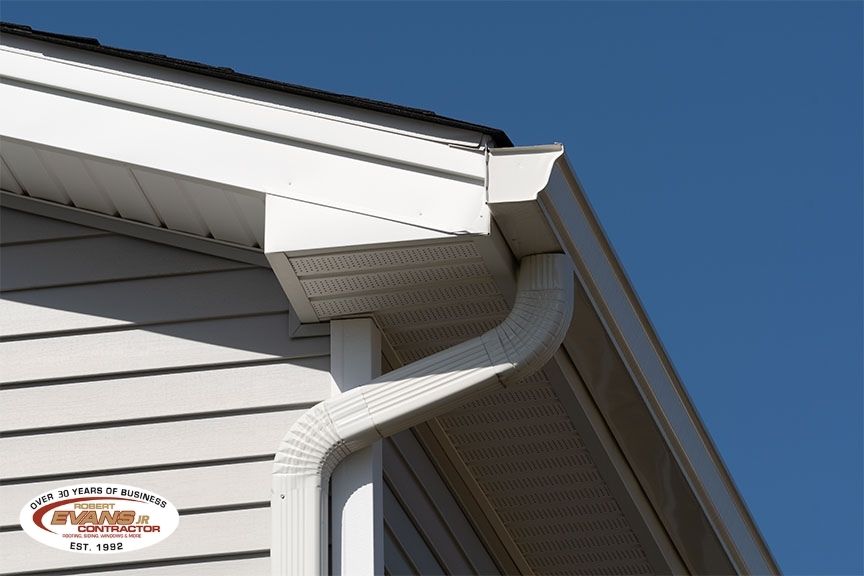
The first thing you think about when it comes to your roof is your shingles. But there are other things that work behind the scenes to keep your house safe and dry. Two of these unsung heroes are soffits and fascia.
Soffits and fascia are the finishing touches on your roof’s edges, and they do much more than just look nice. They protect your home from the elements, including moisture, pests, and weather. Soffits are particularly important since they allow your attic to obtain airflow, which can help prevent moisture-related problems down the line.
The trouble is, they sit out in the open, under the roof overhang, so the weather hammers them all the time. Rain, snow, wind, blistering heat, freezing cold, and all the temperature swings in between. All this abuse can take its toll over time, which is why regular checkups and maintenance are important to keep your soffits and fascia in good shape.
What Are Soffits?
Soffits are the section of your roof that hangs over the edge of your house. They span the area between the roof’s edge and your home’s exterior wall. The material of soffits may vary based on your house. They might be made of wood, aluminum, vinyl, or some other weather-resistant material.
While soffits certainly do add a nice touch to the look of your home, they’ve got a far more important job to do. Vented soffits are actually a critical part of the ventilation system in your attic. They allow fresh air in, which helps to keep the temperature and humidity levels up there regulated.
Without appropriate ventilation in your attic, the warm, moist air merely gets stuck up there. And before you realize it, moist, trapped air produces problems such as mildew, mold, and wood rot. It also can harm your insulation and other components of your roof.
There are generally two types of soffit:
- Vented soffits have openings or perforations to allow outside air to enter and flow into the attic.
- Non-vented soffits provide a finished surface but no airflow.
The type and amount of ventilation vary based on the total roof and attic ventilation system in your home.
What Is Fascia?
Fascia is a vertical board that runs along the edge of your roof, most often just behind the gutters. It creates a finished edge to the roofline and provides protection for the rafters from the elements.
The fascia also gives you somewhere to attach the gutters themselves. And since gutters can get heavy from rain, snow, ice, and debris, your fascia needs to be strong and securely fastened.
Fascia, like soffits, can be made from wood or covered with low-maintenance materials such as aluminum or vinyl. It can also be coordinated with the home’s siding, trim, gutters, and roofing to create a clean, finished exterior.
Why Are Soffits and Fascia Important?
The soffits and fascia of your roof system are often considered small parts but are important in maintaining the condition of your house.
- Improve attic ventilation. Vented soffits are an important part of a properly designed ventilation system. They allow fresh air into the attic and help keep the heat and moisture out, which in turn helps extend the life of your roofing materials.
- Protect against moisture. Fascia protects the roof edge and the exposed ends of the rafters from rain and other weather. This keeps the moisture out of the inside of the roof structure, where it can cause damage.
- Support your gutters. Gutters attach to the fascia, so it needs to be in good shape to ensure they’re working properly and directing rainwater safely away from your home.
- Help keep pests out. Keeping soffits well-maintained helps close off gaps along the roofline and keeps insects, birds, squirrels, and other pests from accessing your attic.
- Improve curb appeal. Damaged or peeling soffits and fascia can make a well-maintained home look neglected. Keeping them in good shape can really make your home look its best.
Signs Your Soffits or Fascia May Need Attention
You don’t need to wait until a section falls apart before fixing an issue. Walk around your house from time to time and look for signs of deterioration, including:
- Peeling or blistering paint
- Cracked, warped, or rotting wood
- Water stains or discoloration
- Sagging or loose fascia
- Gutters pulling away from the roofline
- Holes or gaps that could allow pests inside
- Mold or mildew
- Broken or clogged soffit vents
Problems with soffits and fascia can sometimes point to a bigger problem. For example, overflowing gutters, damaged flashing, or a roof leak can cause rotted fascia. Replacing only the damaged board won’t necessarily fix the problem until you can address the source of the moisture.
How to Maintain Your Soffits and Fascia
A little preventive maintenance can help keep your soffits and fascia in good shape for longer and catch problems before they cause more serious damage.
Keep Them Clean
Dirt and all sorts of debris, like mildew, leaves, and twigs, can pile up around the edges of your roof. When it’s time to clean, do it gently and only on accessible surfaces. Be sure to check the manufacturer’s recommendations for how to clean whatever type of material you’re working with. And don’t pressure wash them, as that could easily damage the finish or push water into areas where it doesn’t belong.
Inspect for Damage
It’s a good idea to check your soffits and fascia from time to time, especially after a big storm. Look for cracks, rot, any loose areas, peeling paint, and other signs of wear and tear. Fixing small problems is always easier and less expensive than dealing with the hassle of moisture getting into the roof structure.
Keep Gutters Working Properly
Your gutters are attached to the fascia, so if you have gutter problems, your fascia is likely to start causing problems as well. So keep those gutters and downspouts clear of debris. You don’t want water overflowing or building up against the roofline.
Trim Overhanging Branches
When branches scrape against the roofline, they can do a lot of damage to your soffits, fascia, gutters, and roofing materials. Trimming them properly will also make a big difference in how many leaves and debris collect in your gutters.
Keep Soffit Vents Clear
If your home has vented soffits, make sure the air is free to flow. You don’t want paint, dirt, or insulation blocking off the air vents. Blocked vents can interfere with the airflow your attic ventilation system needs.
Repair Damage Promptly
It’s not a wise idea to put off fixing rotting wood, loose fascia, damaged soffits, or gutters that are falling off. These kinds of issues will only get worse, and before you know it, you’ll have a major headache and a major rebuild on your hands.
Protect the Edges of Your Roof
Shingles and gutters may get all the attention, but soffits and fascia are important parts of your home’s roofing system as well. Working together, these two components protect the roofline, promote proper ventilation, keep moisture and pests out of your home, and provide a finished look to your home’s exterior.
If you see any rotting or damaged soffits or fascia, have them checked out before it becomes a bigger problem. Robert Evans Roofing can evaluate your soffits, fascia, gutters, and other roofing components in the area to see what is causing the damage and recommend the best repair or replacement. Contact us to schedule an inspection or to learn more about putting in new soffits and fascia for your home.


