
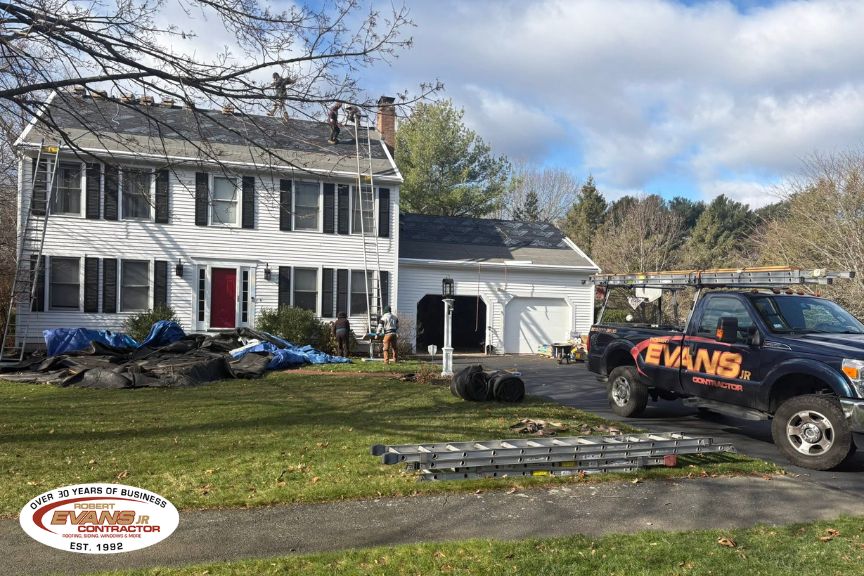
Replacing your roof is a major home renovation project if there ever was one. A brand new roof keeps the elements outside where they belong, spares you from potentially hundreds or thousands of dollars worth of water damage, and gives your home a boost in both its value and the way it looks on the outside. But before you hand over your hard-earned cash to some roofer, you need to know what you’re really getting for your investment.
A good roof replacement estimate is more than just a number. It should clearly spell out all details of the project, including materials, labor, timeline, warranty, and payment breakdown.
When you know what to look for in those estimates, you’re in a much better position to compare and contrast your options and pick the roofer who gives you the best value for your money, rather than just going for the lowest bid.
What Should Be Included in a Roof Replacement Estimate?
A professional roofing estimate should be detailed enough that you understand how your new roof will be installed and what is included in the quoted price. Look for the following key items.
1. Roofing Materials and Costs
Your estimate should include the materials your contractor intends to use. Try to avoid those that are just a vague “new asphalt roof” with no details to back up the promise.
When evaluating a contractor’s bid, take a closer look for specifics on things like:
- Shingle make and model. There are many types of asphalt shingles, ranging from the standard 3-tab to architectural or high-end options. Be sure your estimate includes the specific manufacturer, product line, shingle type, and color that the contractor is suggesting.
- Underlayment. The underlayment is that extra layer between the roof deck and the shingles that provides protection against moisture.
- Ice and water protection. We’ve got some pretty rough weather in New England, so find out where your contractor will be installing the ice and water barrier to prevent ice dams and wind-driven rain in the most vulnerable areas.
- Flashing. Flashing helps keep water from getting in around chimneys, walls, valleys, vents, and other roof penetrations. Find out whether they plan to reuse the existing flashing or to install brand new flashing.
- Drip edge. Your drip edge directs water away from the roof deck and into the gutters, while also protecting the roof edges.
- Roof ventilation. Proper attic ventilation helps control heat and moisture that can wreck your roofing system. The estimate should spell out what type of ridge, soffit & other ventilation components the contractor plans to install.
- Fasteners and accessories. Ridge caps, starter shingles, nails, sealants, and other components are easy to overlook, as they seem minor, but they’re all important parts of a complete roofing system.
The more detail, the better. You can then easily compare different estimates to work out which contractor is offering the best value for money.
2. Removal of Your Existing Roof
In most cases, installing new shingles over an existing roof is not recommended. Therefore, the old roofing materials will have to be removed before you can install the new roof.
Your estimate should explain whether the price includes:
- Removing old shingles and underlayment
- Removing multiple layers of roofing if needed
- Dumpster or disposal fees
- Hauling away old roofing materials
- Cleanup after removal
Removing the existing roof also provides the contractor an opportunity to check the roof deck for damage that wasn’t visible beforehand.
3. Roof Deck Repairs
One of the biggest unknowns in a roof replacement is the condition of the decking underneath the existing shingles.
Once the old roofing materials are removed, the contractor may discover rotted, deteriorated, or damaged plywood or boards that need to be replaced before the new roofing system can be installed.
Because you can’t always determine the extent of this damage in advance, your estimate should explain how you will price any additional decking repairs. For example, the contractor may provide a cost per sheet of plywood or another predetermined rate.
This is an important detail because it helps prevent an unexpected bill at the end of the project.
4. Labor and Installation
Labor is a significant part of the cost of replacing a roof. But quality roofing installation involves much more than simply nailing down shingles.
The estimate should account for the complete replacement process, including removing the existing roof, preparing the roof deck, installing the roofing system, and completing the necessary detail work around valleys, chimneys, skylights, vents, and other areas.
Roof complexity can also affect labor expenses. A steep roof or a house with multiple rooflines, dormers, and valleys usually takes more time and specialized work than a simple roof.
A very low estimate may look attractive, but make sure you’re comparing the same scope and quality of installation before making a decision.
5. Warranty Information
A new roof will normally have two types of warranties: a manufacturer’s warranty and a contractor’s workmanship warranty.
The manufacturer’s warranty covers the roofing materials according to the manufacturer’s terms and conditions. The amount of coverage can vary greatly depending on the installed roofing type and roofing system.
The roofing contractor provides the workmanship warranty, which covers problems related to the installation.
Your estimate or contract should clearly explain what warranties are included and for how long. You should also see if the warranty is transferable when you sell your property and what conditions could affect your coverage.
6. Project Schedule
Your roofing proposal should give you a reasonable idea of when the project will begin and how long the work is expected to take.
Keep in mind that roofing is weather-dependent. Rain, high winds, and other unsafe conditions can affect the schedule.
The contractor should explain what you can expect regarding:
- Approximate start date
- Estimated project duration
- Weather delays
- Material delivery
- Final cleaning and inspection
You may not be able to get exact dates that far in advance, but you should have a good feel for how scheduling and communication will work.
7. Permits and Building Code Requirements
Depending on where you live and the scope of your project, you may need a building permit to replace your roof.
Ask whether the contractor will obtain the necessary permits and if permit fees are included in the estimate.
Your roofing system should also be installed according to applicable building codes and manufacturer requirements. This is not just a matter of compliance but can also affect the performance of your roof and the validity of some warranties.
8. Property Protection and Cleanup
Roof replacement can create a surprising amount of debris. A professional roofing contractor should have a plan for protecting your home and cleaning the property when the job is finished.
The estimate should show whether cleanup includes removing roofing debris, hauling away discarded materials, and cleaning the work area.
Find out how the contractor will protect the landscaping, siding, windows, driveways, and other areas around your home during the project. You should also ask if they do a final sweep for roofing nails and other debris.
9. Payment Terms
An estimate or contract should include when payments are due or expected and how much is due at different points in the job.
This might include a down payment to be paid at the start of the job, plus additional payments during the work and a final payment upon completion.
Be cautious if a contractor asks for the entire fee upfront before the work starts. Having the terms of the payment schedule in an estimate or contract can set proper expectations.
10. Insurance Information
Roofing is a job that involves heights, heavy lifting, and using specialized equipment, so you really want to make sure that the contractor has all of the right insurance coverage in place.
When you shop for a roofer, ask for proof that they have the following:
- General liability insurance (to cover any accidents that might happen on the job)
- Workers’ compensation coverage (so the company can cover the costs if one of their workers gets hurt)
Some decent insurance will help protect you and your property from any damage that could happen during the job.
How to Compare Roof Replacement Estimates
While getting multiple estimates is a good way to compare options, don’t compare quotes based on bottom-line pricing alone.
Make sure each contractor is quoting a similar scope of work. A higher-priced estimate for a complete roof replacement project may include upgraded shingles, new flashing, ice and water shield, ventilation upgrades, and disposal and cleanup, while a lower-priced estimate may leave some of those items off the bill.
When reviewing your estimates, ask yourself:
- Are products identified by name?
- Is the entire roofing system included?
- How will additional repairs to the roof deck be handled?
- Are removal, disposal, and cleanup included?
- What kind of warranties are included?
- Is the contractor licensed and insured?
- Are payment terms identified?
- Is there anything in the estimate that sounds like it might incur additional charges?
If you have questions, ask! A reputable contractor should be able to answer questions and explain an estimate thoroughly.
The Lowest Roofing Estimate: Not Always the Best Deal
Thinking about a new roof? Of course you want to know how much it will cost, but if you get an estimate that seems too good to be true, it may be time to take a step back and think about it.
Somewhere the contractor is probably cutting corners. Maybe they’re employing cheaper materials than you’d like or leaving out essential parts of the task. And all those savings in costs can go right out the window if your roof starts to leak or has other issues down the line.”
When you are searching around for a roof replacement contractor, you need to look at the complete picture and not just the bottom line. Consider what you are receiving for your money: high-quality materials, strong craftsmanship, experience and expertise of the individuals carrying out the work, and what type of guarantee and after-sales assistance you will receive from the contractor.
Get a Roof Replacement Estimate You Can Trust
Your roof keeps everything underneath it safe and dry, so finding a reliable contractor is an awfully big decision. A proper estimate for a roof replacement should give you all the info you need to feel confident you’re making a smart choice and not getting caught out with hidden extras later on.
If your roof is starting to look a bit worse for wear, or you’ve noticed leaks or missing shingles or maybe just a general feeling of uncertainty, then get in touch with Robert Evans Roofing. We’ll send a team out to give your roof a proper going over, explain all your options, and give you a clear and transparent estimate so you know exactly what you’re getting for your money before we start work.


