
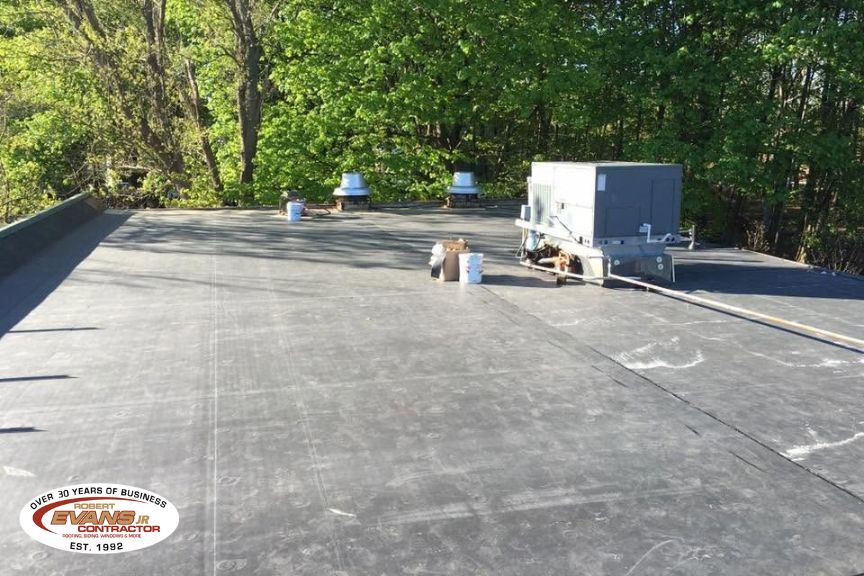
Your commercial roof is one of the most important investments you make in your building. When problems develop, even a small leak can lead to expensive repairs, damaged equipment, unhappy tenants, and disruptions to daily operations.
The good news is that you can prevent many costly roofing problems. Choosing the right roofing materials, working with an experienced contractor, and keeping up with regular maintenance can help you avoid unnecessary expenses and extend the life of your roof.
Whether you’re installing a new roof or maintaining an existing one, these five commercial roofing tips will help you protect your property and control long-term costs.
1. Choose the Right Commercial Roofing System
Not all commercial roofing materials are the same. The best type of roofing system for your building depends on the design of the building, roof slope, drainage, climate, and use of the roof.
Common Commercial Roofing Choices Are:
- EPDM rubber roofing: A flexible, durable membrane for commercial flat and low-slope roofing applications.
- TPO Roofing: A single-ply membrane with a reflective surface resistant to ultraviolet exposure.
- Metal roofing: A very long-lasting, weather-resistant option if designed and installed correctly.
Every material has its advantages, disadvantages, and maintenance needs.
While it’s tempting to go with the cheapest roofing material, the cheapest up front is not always the best value for the long run. If your building has a roofing system that is not right for it, it may need frequent repairs or replacement sooner than you expect.
An experienced commercial roofing contractor can review your building and recommend materials that offer you the best mix of performance, durability, and cost.
2. Work with a Seasoned Commercial Roofing Contractor
Even with quality roofing materials, it’s still possible for things to go wrong if the installation or repair falls short.
Commercial roofing is complicated and needs someone with serious expertise to get it right. A newcomer to the trade may just patch up the most obvious signs of a leak without ever figuring out what’s really going on underneath. And that means the leak could just come back to haunt you, resulting in even more repairs down the line and potentially some pretty costly damage.
If you’re thinking of hiring a commercial roofer to do the job, look for someone with:
- Plenty of experience with your specific type of commercial roof.
- The right licenses and insurance. Don’t even think about hiring anyone without them.
- A clear, honest estimate and a willingness to walk you through the work that needs to be done.
- A commitment to using quality materials and doing the job the way the manufacturer says it should be done.
- A guarantee that they’ll stand by their work.
A qualified contractor with a proven track record will take the time to go over all your options so you can make an informed decision about fixing things up, keeping them maintained, or maybe even replacing the whole thing.
Choosing the right contractor can save you money by helping ensure the work is done right the first time.
3. Schedule Regular Commercial Roof Inspections
One of the smartest ways to control commercial roofing expenses is to address potential problems before they cause major headaches.
What might seem like a small issue, such as a tiny puncture, a bit of loose flashing, or a blocked drain, can quietly turn into a crisis if you don’t catch it in time. Allowing water to seep in can compromise insulation, damage ceilings and walls, and put your equipment on the fritz.
Regular commercial roof inspections can uncover problems such as:
- Cracks, holes, or tears in the roofing membrane that need fixing quickly.
- Loose flashing or deteriorating seams that are starting to let water in.
- Standing water and drainage issues that need fixing.
- Damaged areas around vents and rooftop equipment.
- Debris clogging gutters and roof drains.
- Damage caused by contractors working on the roof.
Schedule professional inspections at least twice a year, typically in the spring and fall, with additional inspections after severe storms or major maintenance on your rooftop equipment.
For commercial buildings in Massachusetts, a fall roof inspection can be a real lifesaver. Catching and fixing those little issues before winter sets in can stop leaks from getting out of control when snow and ice take over the roof.
Preventing problems is a lot easier (and cheaper) than trying to fix a major leak in the middle of winter.
4. Know When to Repair or Replace Your Commercial Roof
No commercial property owner wants to pay for a new roof before they have to. However, continuing to repair an old or failing roofing system can get pretty expensive, and eventually you’re better off just replacing it.
Fixing a roof occasionally is just part of taking care of it. But when leaks start appearing more often, repair costs continue to increase, or large areas of the roofing system start falling apart, it’s time to start thinking about your options.
There are a few things that can help you figure out whether it’s worth it to keep patching the roof or if it’s time to just rip the whole thing off and start over:
- Roof age: Is the roofing system getting up there in years and about to have to be replaced soon?
- Frequency of repairs: Do you have to fix the same problems over and over?
- Extent of damage: Is it just one little spot that’s a problem, or has it spread to large areas of the roof?
- Water getting into the wrong places: Has the water started leaking into the insulation or underpinnings of the roof?
- Overall condition: Can the existing roof still do the job?
An experienced commercial roofer will come out and take a good hard look at your roof and tell you whether throwing some more at repairs is even worth it.
Sometimes you can get by with just patching a specific problem. Other times, replacing the old roof can save you money down the line and keep your building safe from the elements.
You want to choose the option that saves you the most money over the roof’s lifespan, not just the cheapest one this week.
5. Protect Your Commercial Roof from Preventable Damage
Weather and old materials don’t cause every commercial roofing issue. Often it’s a case of problems that could have been avoided.
Commercial roofs often provide access to building services, such as HVAC gear, electrical systems, and other building components. Contractors working on these systems can easily knock a hole in the roof membrane with a tool, bit of equipment, or just plain carelessness.
It’s almost impossible to spot a small puncture until water starts coming in through the ceiling.
To keep the damage down to a minimum, try to:
- Keep access restricted to people you trust.
- Make certain contractors understand how to protect the roofing system.
- Use proper walk pads in high-traffic areas when recommended.
- Inspect the roof after HVAC or other rooftop work.
- Keep drains, gutters, and downspouts free of clutter and rubbish.
- Repair small problems as soon as you spot them.
Be particularly careful about drainage, though. Water just sitting on the roof because of blocked drains or an improper drainage system can make the system fall apart faster and cause leaks.
Taking these simple precautions between inspections can help protect your roof and save you from shelling out a fortune on repairs that you could have avoided.
Preventive Commercial Roof Maintenance Can Save You Money
Your commercial roof is more than just a protective layer for your building. It also protects your tenants, employees, equipment, inventory, and business operations.
The most effective way to keep a lid on commercial roofing costs is to be one step ahead of the game. We’re talking top-quality materials, a roofer with a solid track record, regular check-ups, and addressing potential problems before they turn into costly crises.
A well-maintained commercial roof can provide years of reliable protection while helping you avoid unnecessary repairs and premature replacement.
If you haven’t had your commercial roof inspected recently, now is a good time to book an evaluation. Robert Evans Roofing can assess your roof’s condition, identify potential problems, and suggest some practical and sensible solutions to help you look after your investment.


